tyrannical
A tyrannical ruler wields absolute power and authority, and often wields that power unjustly, cruelly, or oppressively.
First used in the 1530s, the adjective tyrannical stems from the late-14th-century word tyranny, meaning "cruel or unjust use of power," which has origins in the Greek work tyrannos, meaning "master." Tyrannical rule is the opposite of democratic rule, which places the power in the people, the majority of whom makes the decisions. Adolf Hitler, Benito Mussolini, and Joseph Stalin are three examples of the 20th century's most tyrannical dictators.
-
characteristic of an absolute ruler or absolute rule; having absolute sovereignty“a tyrannical government”synonyms: authoritarian, autocratic, despotic, dictatorial, tyrannicundemocraticnot in agreement with or according to democratic doctrine or practice or ideals
-
marked by unjust severity or arbitrary behavior
- MLA
- APA
- Chicago
Vocabulary lists containing tyrannical
In this classic coming-of-age story, Scout Finch recounts her childhood in Maycomb, Alabama. When Scout's father is appointed to defend a black man in a high-profile trial, racial tensions in the small town come to a head. Here are links to our lists for the novel: Chapters 1–6, Chapters 7–11, Chapters 12–15, Chapters 16–19, Chapters 20–25, Chapters 26–31 Here is a link to our lists for Go Set a Watchman by Harper Lee
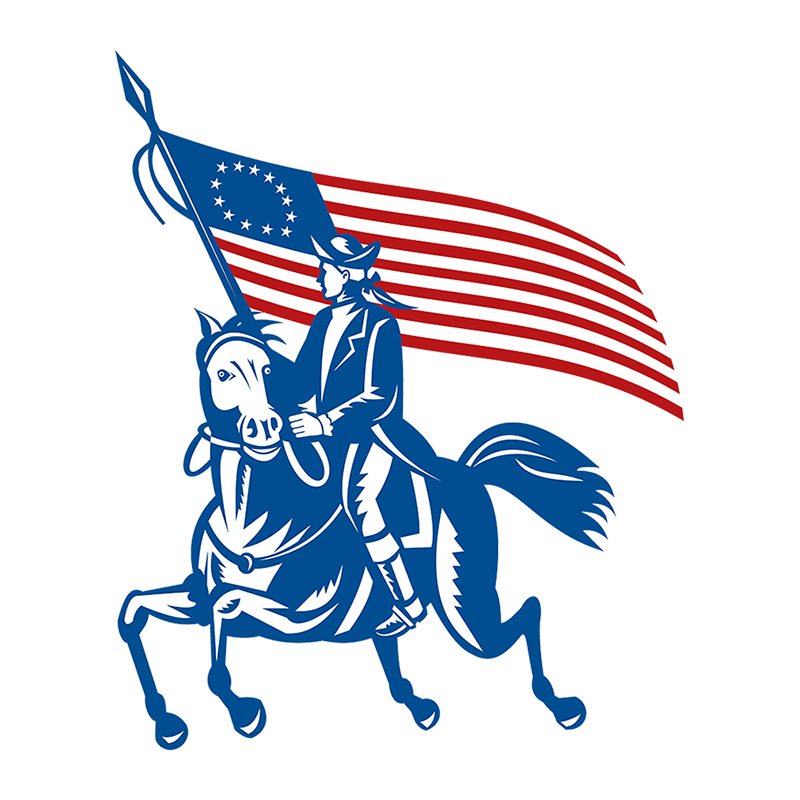
Perhaps the ultimate call to arms, Patrick Henry's speech makes a case for the inevitability of the American Revolution. On March 23, 1775 Virginian patriots met at St. John’s Church in Richmond to discuss support for fellow colonists in Massachusetts where Parliament had sent four regiments of troops. Leading the call for Virginian’s to act was Patrick Henry. In proposing that Virginia prepare itself to fight he delivered an emotional speech ending with his immortal words, “Give me liberty or give me death!”
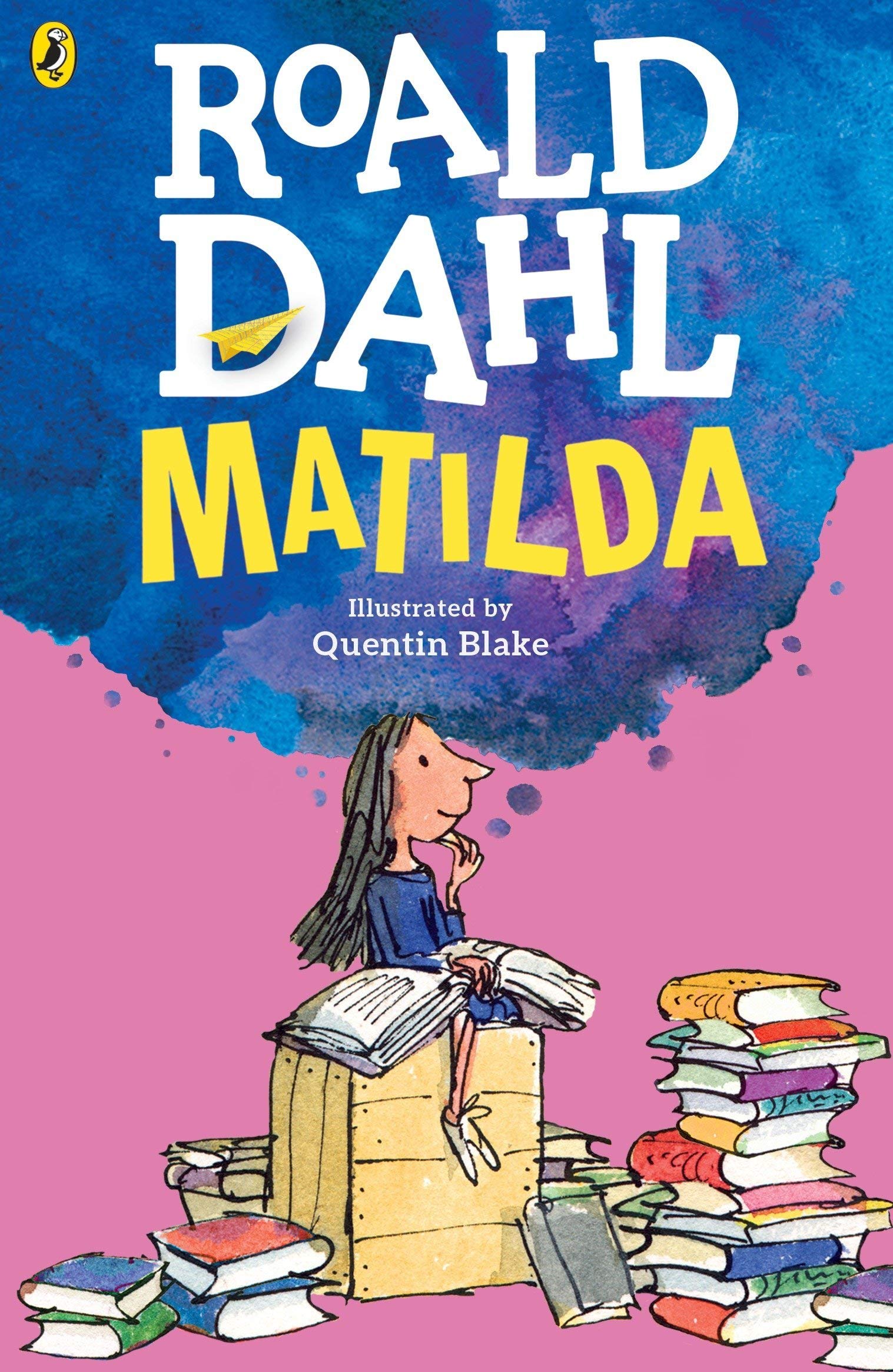
Brilliant Matilda Wormwood finds clever ways to get the best of her ignorant parents and the cruel headmistress of her school.